

Hey there! As a supplier of Quartz Capillary Rods, I often get asked about the lifespan of these nifty little things. So, I thought I'd sit down and write a blog post to share what I know.
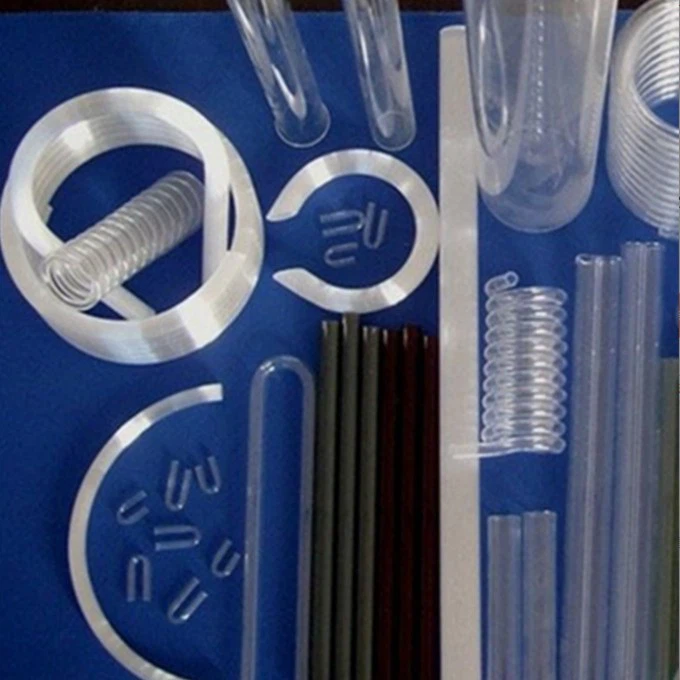
First off, let's talk about what quartz capillary rods are. These are thin, hollow tubes made from high - purity quartz glass. They're used in a whole bunch of industries, like analytical chemistry, biotechnology, and even in some high - tech manufacturing processes. Their small size and excellent chemical and thermal properties make them super useful for things like sample handling, fluid transfer, and even in some optical applications.
Now, the big question: what's the lifespan of a quartz capillary rod? Well, it's not a one - size - fits - all answer. There are several factors that can affect how long a quartz capillary rod will last.
1. Operating Conditions
The environment in which the quartz capillary rod is used plays a huge role. If it's exposed to extreme temperatures, for example, it can take a toll on the rod. Quartz is known for its high - temperature resistance, but there's a limit. Constant exposure to temperatures close to its melting point (around 1700°C for high - purity quartz) can cause the rod to weaken over time.
In addition to temperature, chemical exposure is another major factor. Quartz is chemically inert to many substances, but some strong acids and alkalis can react with it. For instance, hydrofluoric acid can etch the surface of the quartz, gradually degrading the rod. If the rod is used in a chemical analysis setup where it comes into contact with aggressive chemicals on a regular basis, its lifespan will be significantly shorter compared to a rod used in a more benign environment.
2. Frequency of Use
How often the quartz capillary rod is used also matters. Just like any other tool, the more you use it, the more wear and tear it will experience. If a rod is used multiple times a day in a high - throughput laboratory setting, it's going to reach the end of its useful life faster than a rod that's used only occasionally.
Each time the rod is used for fluid transfer or sample handling, there's a chance of minor abrasions or internal damage. Repeated use can exacerbate these issues, leading to cracks or blockages in the capillary. For example, if particles in the sample get stuck inside the rod during use, they can cause blockages over time, rendering the rod ineffective.
3. Quality of Manufacturing
The quality of the quartz capillary rod when it's first made can have a big impact on its lifespan. At our company, we take great care in manufacturing our rods. We use high - purity quartz raw materials and state - of - the - art manufacturing processes to ensure the rods are of the highest quality.
A well - made rod will have a more uniform wall thickness and fewer internal defects. This means it's less likely to develop cracks or break under normal operating conditions. On the other hand, a low - quality rod with inconsistent wall thickness or internal bubbles may fail prematurely, even if it's used in a relatively gentle environment.
4. Handling and Storage
How the quartz capillary rod is handled and stored can also affect its lifespan. Rough handling, like dropping the rod or applying excessive pressure, can cause immediate damage. Even minor impacts can create micro - cracks that can grow over time and lead to the rod's failure.
Proper storage is also crucial. The rod should be stored in a clean, dry environment to prevent contamination and damage. If it's stored in a humid or dirty place, it can be more prone to corrosion or blockages.
So, with all these factors in mind, it's hard to give an exact number for the lifespan of a quartz capillary rod. In a well - controlled laboratory environment with infrequent use and proper handling, a high - quality rod could last for several years. However, in a more demanding industrial setting with constant chemical exposure and high - frequency use, the lifespan might be measured in months or even weeks.
Now, let's talk about some ways to extend the lifespan of a quartz capillary rod. First, always follow the manufacturer's guidelines for use and cleaning. Regular cleaning can help remove any debris or contaminants that could cause blockages or damage. Use appropriate cleaning agents that are compatible with quartz.
Second, be gentle when handling the rod. Avoid dropping it or subjecting it to unnecessary stress. And make sure to store it properly when it's not in use.
If you're in the market for high - quality quartz capillary rods, we've got you covered. We also offer a range of other quartz products, such as Quartz Ceramic Tube, Quartz Crucible, and Quartz Boat. These products are made with the same attention to quality and detail as our quartz capillary rods.
If you're interested in learning more about our products or have any questions about the lifespan of quartz capillary rods, feel free to reach out. We're here to help you find the right solutions for your needs and ensure you get the most out of your quartz products. Whether you're a small research lab or a large - scale industrial operation, we can work with you to provide the best - quality quartz components.
If you're thinking about making a purchase or just want to discuss your requirements further, don't hesitate to get in touch. We'd love to have a chat and see how we can assist you.

References
- "Quartz Glass: Properties, Technology, and Applications" by Helmut Bach and Norbert Neuroth.
- Various research papers on the chemical and thermal properties of quartz in scientific journals related to materials science and analytical chemistry.