

What are the requirements for the outer surface smoothness of a quartz ceramic tube?
As a seasoned supplier of Quartz Ceramic Tubes, I've witnessed firsthand the critical role that outer surface smoothness plays in the performance and application of these tubes. In this blog, I'll delve into the requirements for the outer surface smoothness of a quartz ceramic tube, exploring why it matters, the factors influencing it, and the industry standards that guide our production.
Why Outer Surface Smoothness Matters
The outer surface smoothness of a quartz ceramic tube is not just a matter of aesthetics; it has far-reaching implications for its functionality and performance. Here are some key reasons why smoothness is crucial:

- Optical Performance: In applications where the tube is used for optical purposes, such as in Quartz Glass Tube or Infrared Quartz Coated Sheet systems, a smooth surface is essential to minimize light scattering and ensure accurate transmission of light. Any irregularities on the surface can cause light to deviate from its intended path, leading to a loss of clarity and precision in optical measurements or imaging.
- Chemical Resistance: A smooth outer surface reduces the risk of chemical attack and corrosion. When the surface is rough, it provides more surface area for chemicals to adhere to and react with, increasing the likelihood of degradation over time. In contrast, a smooth surface is less prone to chemical adsorption and can better withstand exposure to harsh chemicals, making it ideal for use in chemical processing and laboratory applications.
- Mechanical Strength: The smoothness of the outer surface can also affect the mechanical strength of the tube. Rough surfaces can act as stress concentrators, where cracks and fractures are more likely to initiate under mechanical stress. By ensuring a smooth surface, we can enhance the tube's resistance to mechanical damage and improve its overall durability.
- Cleanability: In industries where cleanliness is of utmost importance, such as semiconductor manufacturing or food processing, a smooth outer surface is easier to clean and sanitize. It reduces the likelihood of contaminants adhering to the surface, making it easier to maintain a sterile environment and prevent the growth of bacteria or other microorganisms.
Factors Influencing Outer Surface Smoothness
Achieving the desired level of outer surface smoothness in a quartz ceramic tube requires careful consideration of several factors during the manufacturing process. Here are some of the key factors that can influence the smoothness of the surface:
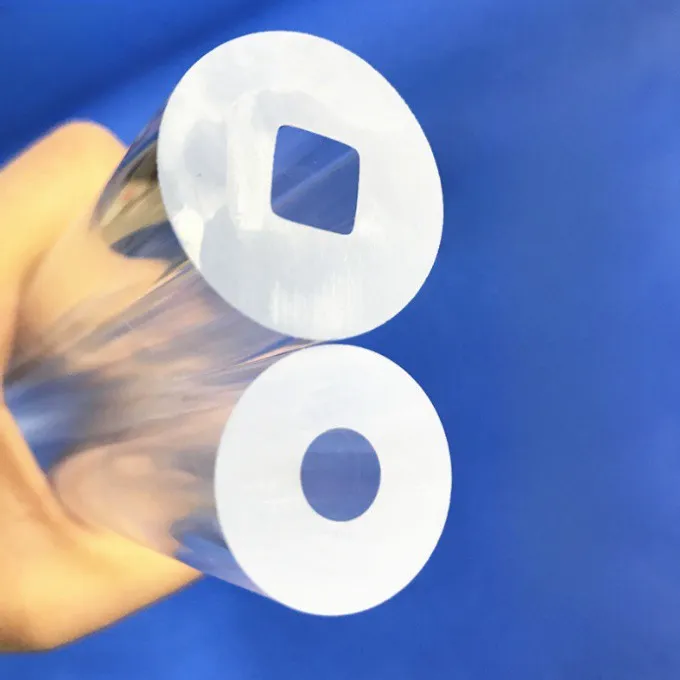
- Raw Materials: The quality and purity of the raw materials used in the production of the quartz ceramic tube can have a significant impact on the surface smoothness. Impurities or inhomogeneities in the raw materials can lead to surface defects or roughness during the sintering process. Therefore, it is essential to use high-quality raw materials with low impurity levels to ensure a smooth surface finish.
- Manufacturing Process: The manufacturing process itself plays a crucial role in determining the outer surface smoothness of the tube. Techniques such as extrusion, casting, or machining can introduce surface irregularities if not properly controlled. For example, during extrusion, the die design and the extrusion speed can affect the surface quality of the tube. Similarly, machining operations such as grinding or polishing require precise control to achieve the desired level of smoothness.
- Sintering Conditions: Sintering is a critical step in the production of quartz ceramic tubes, as it determines the density and microstructure of the material. The sintering temperature, time, and atmosphere can all influence the surface smoothness of the tube. Higher sintering temperatures can promote grain growth and reduce porosity, resulting in a smoother surface. However, excessive sintering can also lead to surface cracking or deformation, so it is important to optimize the sintering conditions to achieve the desired balance between density and surface smoothness.
- Surface Treatment: After the tube is formed and sintered, surface treatment processes such as polishing or coating can be used to further improve the outer surface smoothness. Polishing involves the use of abrasive materials to remove surface irregularities and create a smooth finish. Coating, on the other hand, can provide an additional layer of protection and enhance the surface properties of the tube.
Industry Standards for Outer Surface Smoothness
To ensure consistency and quality in the production of quartz ceramic tubes, several industry standards have been established to define the requirements for outer surface smoothness. These standards typically specify the maximum allowable roughness or surface finish parameters, such as Ra (average roughness) or Rz (maximum height of the profile).

For example, in the semiconductor industry, where precision and cleanliness are critical, the outer surface of a quartz ceramic tube may be required to have a Ra value of less than 0.1 micrometers. This level of smoothness ensures that the tube meets the strict requirements for use in semiconductor manufacturing processes, where even the slightest surface irregularity can have a significant impact on the performance of the devices being produced.
In other industries, such as chemical processing or laboratory applications, the requirements for outer surface smoothness may be less stringent. However, it is still important to ensure that the tube meets the specific requirements of the application to ensure optimal performance and reliability.
Meeting the Requirements for Outer Surface Smoothness
As a supplier of Quartz Ceramic Tubes, we are committed to meeting the highest standards of quality and performance. To ensure that our tubes meet the requirements for outer surface smoothness, we employ a rigorous quality control process that encompasses every stage of the manufacturing process.
- Raw Material Selection: We carefully select high-quality raw materials with low impurity levels to ensure a smooth surface finish. Our raw materials are sourced from trusted suppliers and undergo thorough testing to ensure their purity and consistency.
- Precision Manufacturing: Our manufacturing processes are designed to minimize surface irregularities and ensure a high level of precision. We use advanced extrusion and machining techniques, combined with strict process control, to produce tubes with a smooth and uniform outer surface.
- Sintering Optimization: We optimize the sintering conditions to achieve the desired density and microstructure of the material, while also ensuring a smooth surface finish. Our sintering process is carefully monitored and controlled to prevent surface cracking or deformation.
- Surface Treatment: After the tubes are formed and sintered, we use advanced surface treatment processes such as polishing or coating to further improve the outer surface smoothness. Our polishing process uses high-quality abrasive materials and precise control to achieve the desired level of smoothness, while our coating process provides an additional layer of protection and enhances the surface properties of the tube.
- Quality Assurance: We have a comprehensive quality assurance program in place to ensure that every tube we produce meets the highest standards of quality and performance. Our quality control team conducts regular inspections and tests throughout the manufacturing process to ensure that the tubes meet the specified requirements for outer surface smoothness.
Conclusion
The outer surface smoothness of a quartz ceramic tube is a critical factor that can significantly impact its performance and application. By understanding the importance of smoothness, the factors influencing it, and the industry standards that guide our production, we can ensure that our tubes meet the highest standards of quality and performance.
As a supplier of Quartz Ceramic Tubes, we are committed to providing our customers with high-quality products that meet their specific requirements. If you have any questions or would like to discuss your specific needs, please do not hesitate to contact us. We look forward to working with you to provide the best solutions for your application.
References
- "Handbook of Quartz Glass" by H. Bach and N. Neuroth
- "Ceramic Materials: Science and Engineering" by W. D. Kingery, H. K. Bowen, and D. R. Uhlmann
- Industry standards and specifications for quartz ceramic tubes from relevant organizations