

Hey there! As a zirconia ceramics supplier, I often get asked about various properties of zirconia ceramics. One question that's popped up more than a few times lately is, "What is the sound absorption coefficient of zirconia ceramics?" Let's dig into this topic and find out more.
First off, let's understand what the sound absorption coefficient is. In simple terms, it's a measure of how well a material can absorb sound. A coefficient of 0 means the material reflects all the sound, while a coefficient of 1 means it absorbs all the sound. Most materials fall somewhere in between these two extremes.
Zirconia ceramics are pretty amazing materials. They're known for their high strength, excellent wear resistance, and good chemical stability. But when it comes to sound absorption, it's a bit more complicated.
The sound absorption coefficient of zirconia ceramics depends on several factors. One of the key factors is the porosity of the material. Porous materials generally have better sound absorption properties because the pores can trap sound waves and convert their energy into heat. Zirconia ceramics can be made with different levels of porosity, and this directly affects their sound absorption capabilities.
For example, if we have a highly porous zirconia ceramic, it will have a higher sound absorption coefficient compared to a dense, non - porous one. The pores act like little chambers where the sound waves can bounce around and lose their energy. On the other hand, a dense zirconia ceramic will reflect more sound because there are fewer places for the sound waves to get trapped.
Another factor is the frequency of the sound. Different frequencies of sound interact with materials in different ways. Zirconia ceramics may absorb certain frequencies better than others. For low - frequency sounds, the absorption might be relatively low, while for high - frequency sounds, the absorption could be more significant. This is because high - frequency sound waves have shorter wavelengths and can more easily enter the pores of the ceramic.
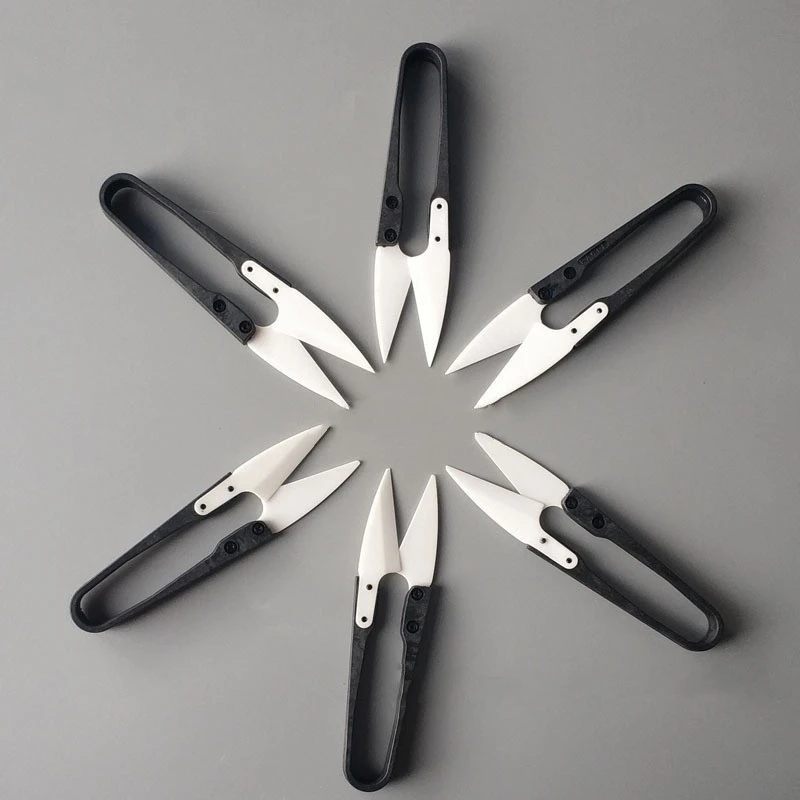
Let's talk about some real - world applications where the sound absorption property of zirconia ceramics can be useful. In the medical field, Zirconia Ceramic Scissor are used in surgeries. Reducing the noise generated during cutting can be beneficial for both the surgeons and the patients. A zirconia ceramic scissor with a good sound absorption coefficient can help minimize the sharp, clattering noises that are often associated with metal scissors.
In industrial settings, zirconia ceramics can be used as components in machinery. By using zirconia parts with better sound absorption, we can reduce the overall noise pollution in the workplace. This not only makes the working environment more comfortable but also helps in meeting noise regulations.

Now, let's get back to the numbers. Measuring the sound absorption coefficient of zirconia ceramics is done through specialized tests. One common method is the impedance tube method. In this test, a sample of the zirconia ceramic is placed in a tube, and sound waves are sent through it. By measuring the difference between the incident sound and the reflected sound, we can calculate the absorption coefficient.
Typically, the sound absorption coefficient of dense zirconia ceramics at normal frequencies (around 1000 - 4000 Hz) might range from 0.01 - 0.1. This means they're not the best sound absorbers in their dense form. However, if we modify the zirconia to increase its porosity, we can see the coefficient go up to 0.3 - 0.6 or even higher in some cases.
As a zirconia ceramics supplier, we have the capability to produce zirconia products with different porosities to meet various sound absorption requirements. Whether you need a Zirconia Scissor with reduced noise for medical use or industrial components for noise reduction, we've got you covered.
We use advanced manufacturing techniques to control the porosity of the zirconia ceramics during the production process. This allows us to fine - tune the sound absorption properties according to your specific needs.
If you're in the market for zirconia ceramics and are interested in their sound absorption capabilities, don't hesitate to reach out. We can provide you with samples for testing and work with you to develop the perfect zirconia solution for your application. Whether it's for medical, industrial, or any other field, we're here to help you get the most out of zirconia ceramics.
In conclusion, the sound absorption coefficient of zirconia ceramics is a variable property that depends on factors like porosity and sound frequency. By understanding these factors, we can tailor - make zirconia products to achieve the desired sound absorption performance. So, if you're looking for high - quality zirconia ceramics with specific sound absorption needs, contact us for more information and let's start a great partnership.
References
- ASTM E1050 - 12, Standard Test Method for Impedance and Absorption of Acoustical Materials Using a Tube, Two Microphones, and a Digital Frequency Analysis System.
- "Ceramics: Structure, Properties, and Processing" by R. W. Rice.
- Research papers on the acoustic properties of zirconia ceramics from peer - reviewed journals.