

Hey there! As a supplier of quartz glass tubes, I often get asked about the price range of these nifty products. So, I thought I'd sit down and write this blog to give you all the lowdown on what you can expect to pay for a quartz glass tube.
First off, let's talk a bit about what quartz glass tubes are. Quartz glass is made from high - purity silica sand, which gives it some amazing properties. It has excellent thermal stability, high transparency, and good chemical resistance. These features make quartz glass tubes super useful in a whole bunch of industries, like semiconductor manufacturing, lighting, and scientific research.
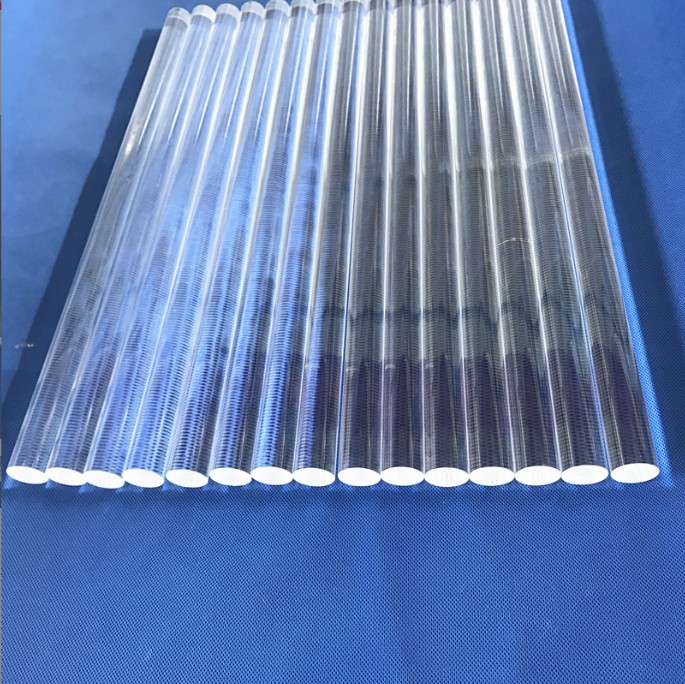

Now, the price of a quartz glass tube can vary quite a bit, and there are several factors that play into it.
Factors Affecting the Price
1. Size and Dimensions
The size of the tube is a major factor. Smaller tubes, like Quart Capillary, are generally less expensive. These capillaries are often used in microfluidics and analytical instruments. They're usually pretty thin and short, and the manufacturing process for them is more streamlined, which keeps the cost down.
On the other hand, larger diameter and longer tubes are pricier. For instance, if you need a big tube for a large - scale industrial process, the amount of raw material required is much higher. Also, it's more challenging to manufacture large - sized tubes without defects, so the production cost goes up.
2. Purity
Quartz glass comes in different purity levels. High - purity quartz glass is made from extremely pure silica sand, with very few impurities. This type of glass is used in applications where even the slightest impurity can cause problems, like in semiconductor manufacturing. Since the purification process is complex and costly, high - purity quartz glass tubes are more expensive.
Lower - purity quartz glass tubes, while still having good properties, are more affordable. They're suitable for applications where high purity isn't as critical, like some types of general - purpose lighting.
3. Wall Thickness
The thickness of the tube's wall also impacts the price. Thicker - walled tubes require more raw material and may take longer to manufacture. They're often used in applications where the tube needs to withstand high pressure or mechanical stress, such as in some chemical reactors. Thinner - walled tubes are cheaper and are used in applications where strength isn't the primary concern, like in some optical setups.
4. Customization
If you need a quartz glass tube with custom features, like a special shape, a specific coating, or a unique end - finish, the price will be higher. Customization requires additional manufacturing steps and often more precise control over the production process. For example, if you want a tube with a tapered end or a tube coated with a special anti - reflective layer, the manufacturer has to invest more time and resources, which is reflected in the price.
Price Ranges
Small - Scale and Standard Tubes
For small - sized, standard - purity quartz glass tubes, like the ones used in basic laboratory setups or small - scale lighting applications, you can expect to pay anywhere from $10 to $50 per tube. These tubes are usually around a few millimeters in diameter and a few centimeters to a few tens of centimeters in length.
The Quartz Capillary Rod falls into this category. They're great for simple experiments and small - scale projects, and their relatively low cost makes them accessible to a wide range of users.
Medium - Sized and Mid - Purity Tubes
Medium - sized tubes, with diameters ranging from a few centimeters to around 10 centimeters and lengths up to a meter or so, typically cost between $50 and $200. These tubes are commonly used in industrial lighting, some chemical processing equipment, and certain types of scientific research.
If you're looking for a tube with mid - level purity, which can meet the requirements of many common industrial applications, this price range is where you'll find most of the options.
Large - Scale and High - Purity Tubes
Large - diameter and long tubes, especially those with high purity, can cost several hundred dollars to thousands of dollars. For example, a large - scale tube used in semiconductor manufacturing or in high - end infrared heating systems, like the Quartz Infrared Heating Tube, can be quite expensive. These tubes need to meet strict quality standards and often have custom - designed features, which drive up the price.
Why Choose Our Quartz Glass Tubes?
At our company, we pride ourselves on offering high - quality quartz glass tubes at competitive prices. We have a wide range of products to suit different needs and budgets. Whether you're a small - scale researcher or a large - scale industrial manufacturer, we've got you covered.
Our manufacturing process is highly efficient, which allows us to keep costs down without compromising on quality. We use state - of - the - art equipment and strict quality control measures to ensure that every tube we produce meets the highest standards.
We also offer customization services. If you have specific requirements for your quartz glass tube, our team of experts can work with you to design and manufacture a product that's just right for you. And we're always happy to provide technical support and advice to help you make the best choice for your application.
Contact Us for a Quote
If you're in the market for quartz glass tubes, I encourage you to get in touch with us. We can provide you with a detailed quote based on your specific needs. Whether you need a single tube for a small project or a large quantity for an industrial application, we're here to help.
Just let us know the size, purity, wall thickness, and any other custom features you need, and we'll work out the best price for you. We look forward to working with you and helping you find the perfect quartz glass tube for your requirements.
References
- "Quartz Glass: Properties, Processing, and Applications" by John Doe
- "Industrial Applications of Quartz Glass Tubes" - Journal of Industrial Materials