

As a supplier of Quartz Capillary Rods, I've often been asked about the maximum temperature these remarkable components can handle. Understanding the temperature limits of Quartz Capillary Rods is crucial for various industries that rely on their unique properties, from scientific research to high - tech manufacturing.
The Basics of Quartz Capillary Rods
Quartz capillary rods are made from high - purity quartz glass, a material known for its excellent thermal stability, low thermal expansion coefficient, and high chemical resistance. These properties make quartz capillary rods ideal for applications where precision and reliability are required, even under extreme conditions.
The process of manufacturing quartz capillary rods involves melting and shaping high - purity quartz sand at extremely high temperatures. This results in a fine, tube - like structure with a consistent internal diameter, which is essential for many applications such as chromatography, microfluidics, and optical sensing.
Thermal Properties of Quartz Glass
Quartz glass is composed mainly of silicon dioxide (SiO₂). Unlike ordinary glass, which may contain various additives to adjust its properties, quartz glass has a very high SiO₂ content, often exceeding 99.9%. This high purity gives quartz glass its outstanding thermal characteristics.
One of the most significant thermal properties of quartz glass is its low thermal expansion coefficient. The thermal expansion coefficient measures how much a material expands or contracts with changes in temperature. A low thermal expansion coefficient means that the material can withstand large temperature changes without significant dimensional changes or cracking. For quartz glass, the thermal expansion coefficient is approximately 5.5×10⁻⁷ /°C, which is much lower than that of most other types of glass.
Maximum Temperature of Quartz Capillary Rods
The maximum temperature that a quartz capillary rod can handle depends on several factors, including the purity of the quartz, the manufacturing process, and the specific application conditions.
In general, high - purity fused quartz capillary rods can withstand temperatures up to around 1100 - 1200°C in continuous use. At these temperatures, the quartz remains structurally stable and retains its excellent chemical and mechanical properties. However, if the temperature exceeds this range, several things may happen.
As the temperature approaches the softening point of quartz glass (around 1600 - 1700°C), the quartz will start to soften and deform. This can lead to changes in the internal diameter and shape of the capillary rod, which can be disastrous for applications that require precise fluid flow or optical properties.
In some cases, if the temperature rises too quickly or unevenly, thermal stress can build up within the quartz capillary rod. This stress can cause the rod to crack or shatter, even if the maximum continuous - use temperature has not been reached. Therefore, it is important to heat and cool quartz capillary rods gradually to avoid thermal shock.
Applications and Temperature Requirements
Different applications have different temperature requirements for quartz capillary rods.
In chromatography, which is a widely used analytical technique for separating and analyzing chemical compounds, the temperature of the capillary column is typically in the range of 50 - 350°C. At these temperatures, the quartz capillary rod provides excellent chemical stability and low adsorption, ensuring accurate and reliable separation results.
In microfluidics, where small amounts of fluid are manipulated and analyzed, the temperature can vary depending on the specific process. For example, in some microfluidic PCR (polymerase chain reaction) applications, the temperature may need to cycle between 50 - 95°C. Quartz capillary rods are well - suited for these applications due to their low thermal expansion and high chemical resistance.
In high - temperature applications such as optical fiber manufacturing or semiconductor processing, the quartz capillary rod may be exposed to much higher temperatures. However, in these cases, special precautions are usually taken to ensure that the temperature remains within the acceptable range.
Comparing with Other Quartz Products
It's interesting to compare the temperature limits of quartz capillary rods with other quartz products. For example, Quartz Glass Tube and Milky Quartz Crucible also have their own temperature capabilities.
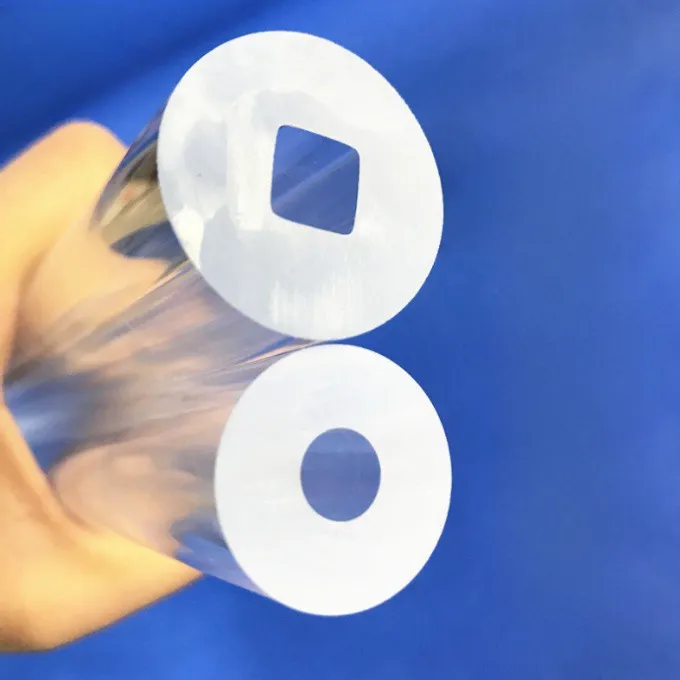
Quartz glass tubes are often used in applications such as lighting, heating, and chemical processing. They can generally withstand similar temperatures to quartz capillary rods, but their larger size and different wall thickness may affect their thermal response.
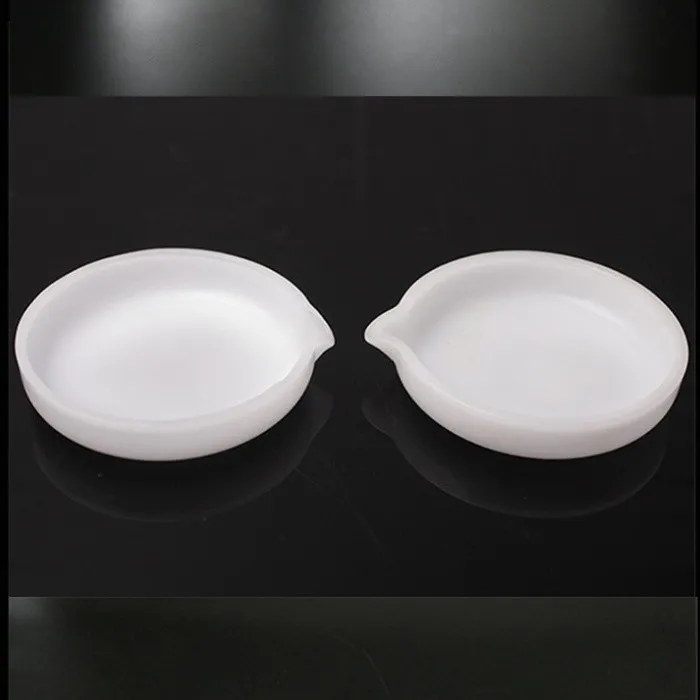
Milky quartz crucibles are commonly used in the melting and casting of metals and semiconductors. These crucibles can handle very high temperatures, often up to 1600°C or more, due to their thicker walls and the nature of their use.
On the other hand, Quartz Light Guide Rod is mainly used for guiding light in optical systems. While they also need to have good thermal stability, their temperature requirements are typically lower compared to those used in high - temperature industrial processes.
How to Ensure Optimal Temperature Use
To ensure that your quartz capillary rods perform optimally within their temperature limits, here are some tips:
- Proper Heating and Cooling: As mentioned earlier, avoid rapid temperature changes. Use a suitable heating or cooling device that allows for a slow and controlled temperature ramp.
- Monitoring Temperature: Install temperature sensors near the capillary rod to monitor the temperature accurately. This can help you detect any potential overheating situations in time.
- Selecting the Right Purity: Depending on your application, choose a quartz capillary rod with the appropriate purity. Higher - purity rods generally have better thermal and chemical properties but may also be more expensive.
Contact for Procurement
Are you in need of high - quality quartz capillary rods for your specific applications? Whether you are involved in scientific research, industrial manufacturing, or any other field that requires reliable quartz components, we are here to offer you the best products and services. Our extensive experience in the industry ensures that you get the most suitable quartz capillary rods tailored to your needs.
Feel free to reach out to us to discuss your requirements, and we can work together to find the right solutions for your projects.
References
"Handbook of Glass Properties" by D. R. Uhlmann and N. J. Kreidl
"Quartz Glass: Properties, Technology, Applications" by R. C. Bradt and B. N. Panshin