

Hey there! As a supplier of Quartz Crucibles, I've seen firsthand how important these little guys are in various industries, from metallurgy to chemistry. But with great power comes great responsibility, right? So, let's talk about the safety precautions you should take when using a Quartz Crucible.
1. Pre - use Inspection
Before you even think about using a Quartz Crucible, you gotta give it a good once - over. Check for any visible cracks, chips, or scratches. Even the tiniest imperfection can lead to big problems down the line. A cracked crucible might break under the stress of high temperatures or sudden temperature changes, which can be not only a waste of your material but also a safety hazard.
If you find any damage, don't use it! It's not worth the risk. Instead, reach out to your supplier (like me!) to get a new one. You can find more info about our Quartz Crucible on our website.
2. Handling with Care
Quartz crucibles are delicate. You can't just toss them around like they're indestructible. Always use appropriate tools when handling them. Tweezers or tongs are great for picking them up, especially when they're hot. And make sure your hands are clean and dry. Oils and dirt from your hands can contaminate the crucible and affect its performance.
When you're moving the crucible, do it slowly and steadily. Avoid any sudden jerks or drops. If you're transporting it over a long distance, use a proper container with cushioning to protect it from bumps and impacts.
3. Temperature Management
One of the most critical aspects of using a quartz crucible is managing the temperature. Quartz has a high melting point, but it's still sensitive to rapid temperature changes.
Heating
When heating the crucible, do it gradually. Don't expose it to a sudden, intense heat source. Start with a low heat and slowly increase the temperature. This helps prevent thermal shock, which can cause the crucible to crack.
If you're using a furnace or a heating element, make sure it's properly calibrated. An inaccurate temperature reading can lead to overheating or under - heating, both of which can be bad news for your crucible.
Cooling
After you're done using the crucible, let it cool down slowly. Don't plunge it into cold water or expose it to a cold draft. Just let it sit in a well - ventilated area until it reaches room temperature. This slow cooling process helps maintain the integrity of the quartz.
4. Chemical Compatibility
Not all chemicals are friendly with quartz crucibles. Some chemicals can react with the quartz, causing corrosion or other forms of damage. Before you use a crucible with a particular chemical, do your research.
Check the chemical compatibility charts or consult with a chemist. If you're unsure, it's better to test a small amount of the chemical in a spare crucible first.
For example, hydrofluoric acid is a big no - no for quartz crucibles. It can dissolve the quartz, turning your precious crucible into a useless mess.
5. Ventilation
When using a quartz crucible, especially in a laboratory or industrial setting, proper ventilation is a must. Many of the processes that involve crucibles generate fumes or gases, some of which can be toxic or harmful.
Make sure you're working in a well - ventilated area. If possible, use a fume hood. This helps keep the air clean and reduces the risk of inhaling dangerous substances.
6. Protective Gear
Don't skimp on protective gear. When handling a hot quartz crucible, wear heat - resistant gloves. These gloves protect your hands from burns and also provide a better grip.
Safety goggles are also essential. They protect your eyes from any splashes or flying debris that might occur during the process. And if you're working with chemicals, wear a lab coat to protect your clothing and skin.
7. Storage
When you're not using your quartz crucibles, store them properly. Keep them in a clean, dry place away from direct sunlight. Avoid stacking them on top of each other, as this can cause scratches or breakage.
If you have a large number of crucibles, use a storage rack or a cabinet designed for this purpose. This helps keep them organized and protected.

8. Training
If you're working in a team or a laboratory, make sure everyone is properly trained in using quartz crucibles. Everyone should know the safety precautions and how to handle the crucibles correctly.
Regular training sessions can help reinforce these safety measures and reduce the risk of accidents.
9. Emergency Preparedness
Even if you follow all the safety precautions, accidents can still happen. So, it's important to be prepared for emergencies.
Have a fire extinguisher nearby in case of a fire. Know the location of the nearest eyewash station and safety shower in case of chemical splashes. And make sure everyone on the team knows what to do in an emergency.
Other Quartz Products
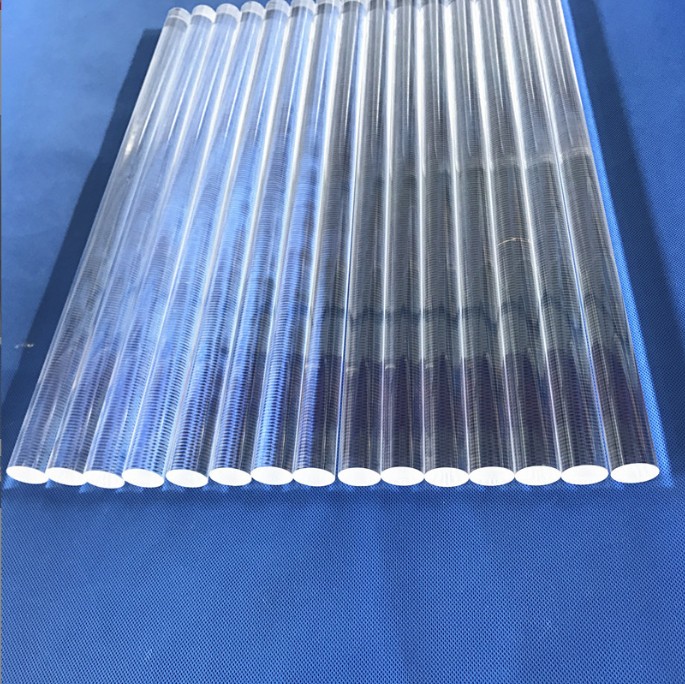
In addition to Quartz Crucible, we also offer other high - quality quartz products like Quartz Capillary Rod and Quartz Infrared Heating Tube. These products also come with their own set of safety guidelines, so make sure to check them out when you're using them.
Conclusion
Using a quartz crucible can be a great way to carry out various processes, but it's crucial to do it safely. By following these safety precautions, you can protect yourself, your equipment, and your materials.
If you're in the market for high - quality quartz crucibles or other quartz products, don't hesitate to reach out. We're here to provide you with the best products and support. Whether you have questions about safety, product specifications, or anything else, just let us know. Let's start a conversation and see how we can meet your needs!
References
- General safety guidelines for laboratory equipment.
- Chemical compatibility charts for quartz materials.
- Manufacturer's instructions for quartz crucibles.