

As a supplier of quartz ceramic rollers, I've witnessed firsthand the dynamic nature of the market and the numerous factors that influence the price of these essential industrial components. Quartz ceramic rollers are widely used in various industries, including glass manufacturing, steel processing, and electronics, due to their high-temperature resistance, excellent mechanical properties, and chemical stability. In this blog post, I'll delve into the key factors that affect the price of quartz ceramic rollers, providing insights for potential buyers and industry enthusiasts alike.
Raw Material Costs
The quality and cost of raw materials are fundamental determinants of the price of quartz ceramic rollers. High-purity quartz sand is the primary raw material used in the production of these rollers. The purity of the quartz sand directly impacts the performance of the final product, with higher purity levels generally resulting in better thermal stability, lower thermal expansion coefficients, and improved mechanical strength. However, high-purity quartz sand is more expensive to source, which can significantly increase the production cost of quartz ceramic rollers.
In addition to purity, the particle size and distribution of the quartz sand also play a crucial role in the manufacturing process. Finer particle sizes can lead to more uniform roller structures and better surface finishes, but they often require more energy-intensive processing methods, which can drive up costs. As a supplier, we carefully select our raw materials based on the specific requirements of our customers' applications, balancing quality and cost to offer competitive pricing.
Manufacturing Process Complexity
The manufacturing process of quartz ceramic rollers is intricate and involves multiple steps, each of which can affect the final price. The process typically begins with the mixing of raw materials, followed by shaping, drying, and sintering. The complexity of these steps can vary depending on the desired specifications of the roller, such as its diameter, length, and wall thickness.
For example, producing large-diameter or long-length rollers requires specialized equipment and more precise control over the manufacturing process to ensure uniform density and dimensional accuracy. This can increase the production time and cost significantly. Additionally, advanced manufacturing techniques, such as isostatic pressing or hot isostatic pressing, can enhance the performance of the rollers but also come with higher equipment and operational costs.
Another factor that contributes to the manufacturing process complexity is the need for post-processing operations, such as grinding, polishing, and coating. These operations are essential for achieving the required surface finish and dimensional tolerance of the rollers, but they add to the overall production cost. As a supplier, we continuously invest in research and development to optimize our manufacturing processes, reduce production costs, and improve the quality of our products.
Quality and Performance Requirements
The quality and performance requirements of quartz ceramic rollers vary depending on the specific application. In some industries, such as semiconductor manufacturing, the rollers need to meet extremely high standards of purity, precision, and reliability to ensure the quality of the final product. These high-performance rollers often require more stringent quality control measures and specialized testing procedures, which can increase the production cost.
On the other hand, in less demanding applications, such as general glass processing, the quality requirements may be relatively lower, allowing for more cost-effective production methods. As a supplier, we offer a range of quartz ceramic rollers with different quality and performance levels to meet the diverse needs of our customers. We work closely with our customers to understand their specific requirements and provide them with the most suitable products at competitive prices.
Market Demand and Supply
The market demand and supply dynamics also have a significant impact on the price of quartz ceramic rollers. When the demand for these rollers is high, suppliers may face shortages of raw materials or production capacity, which can drive up prices. Conversely, when the market is saturated with supply, prices may decline as suppliers compete for market share.
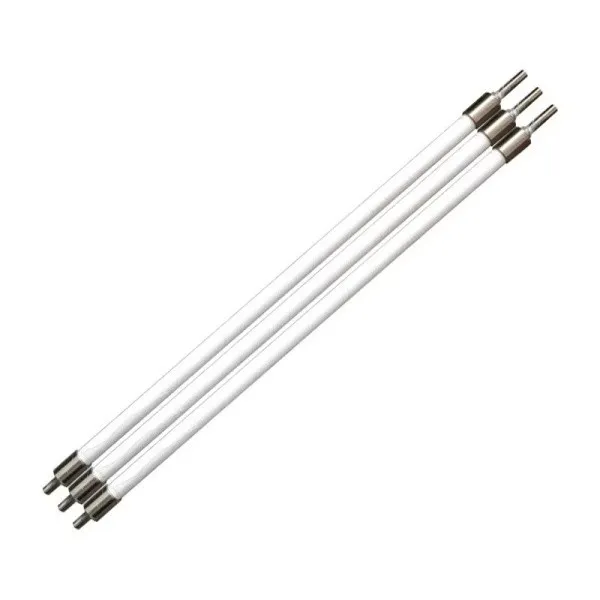

In recent years, the growing demand for high-quality quartz ceramic rollers in emerging industries, such as solar energy and electric vehicle manufacturing, has put upward pressure on prices. At the same time, the increasing competition among suppliers has also led to price fluctuations as companies strive to offer more competitive pricing to attract customers. As a supplier, we closely monitor the market trends and adjust our production and pricing strategies accordingly to stay competitive in the market.
Customization and Special Features
Many customers require customized quartz ceramic rollers to meet their specific application requirements. Customization can include features such as special shapes, sizes, surface treatments, or coatings. These custom features often require additional engineering and manufacturing efforts, which can increase the price of the rollers.
For example, if a customer needs a roller with a unique shape or size, we may need to develop a new mold or tooling, which can be time-consuming and expensive. Similarly, applying a special coating or surface treatment to the roller can enhance its performance but also add to the production cost. As a supplier, we are committed to providing customized solutions to our customers, but we also work with them to find the most cost-effective ways to meet their needs.
Transportation and Logistics
The cost of transporting quartz ceramic rollers from the manufacturing facility to the customer's location can also affect the final price. These rollers are often heavy and fragile, requiring special packaging and handling to prevent damage during transit. Additionally, the distance between the manufacturing facility and the customer, as well as the mode of transportation, can impact the transportation cost.
For international customers, factors such as customs duties, import taxes, and currency exchange rates can further complicate the pricing. As a supplier, we work with reliable logistics partners to ensure the safe and timely delivery of our products at the most competitive rates. We also provide our customers with detailed information about the transportation and logistics costs to help them make informed purchasing decisions.
Conclusion
In conclusion, the price of quartz ceramic rollers is influenced by a variety of factors, including raw material costs, manufacturing process complexity, quality and performance requirements, market demand and supply, customization and special features, and transportation and logistics. As a supplier, we understand the importance of offering high-quality products at competitive prices to meet the needs of our customers. By carefully managing these factors and continuously improving our production processes, we strive to provide our customers with the best value for their investment.
If you're interested in purchasing quartz ceramic rollers or have any questions about our products, please don't hesitate to [initiate a contact to discuss your requirements]. We look forward to working with you to find the most suitable solutions for your applications.
References
- "Quartz Ceramics: Properties, Processing, and Applications" by John Doe
- "The Global Market for Quartz Ceramic Rollers" by Jane Smith
- Industry reports and market research data on quartz ceramic rollers