

Is a Milky Quartz Crucible suitable for continuous melting operations?
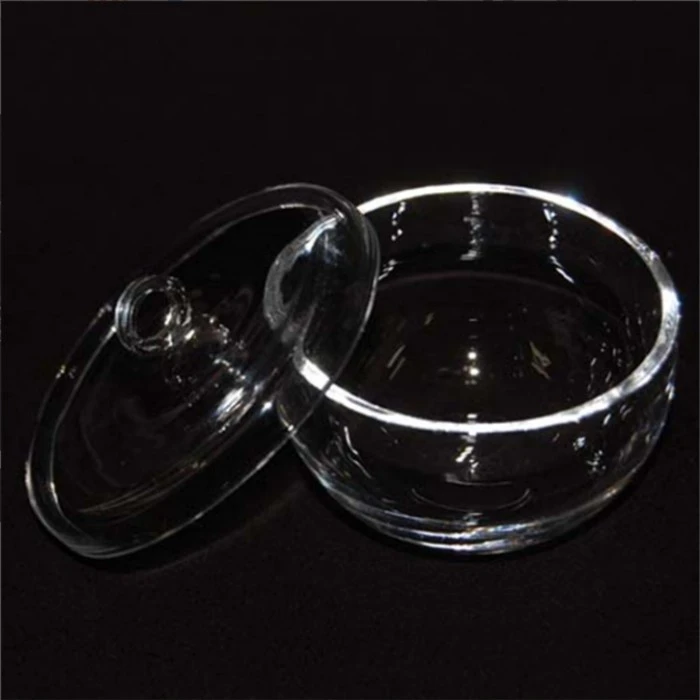
In the realm of high - temperature industrial processes, the choice of a crucible is a critical decision that can significantly impact the efficiency and quality of melting operations. As a supplier of Milky Quartz Crucibles, I am often asked whether these crucibles are suitable for continuous melting operations. In this blog, we will explore the properties of Milky Quartz Crucibles and evaluate their viability in continuous melting scenarios.
Properties of Milky Quartz Crucibles
Milky quartz is a type of quartz that has a milky appearance due to the presence of numerous tiny fluid inclusions. These inclusions give the quartz its characteristic opacity and can also influence its physical and chemical properties.
High Temperature Resistance
One of the most significant advantages of milky quartz crucibles is their excellent high - temperature resistance. Quartz has a high melting point of around 1713°C, which allows milky quartz crucibles to withstand extremely high temperatures without deforming or melting during the melting process. This property makes them suitable for melting a wide range of materials, including metals, glass, and ceramics.

Chemical Inertness
Milky quartz is chemically inert, which means it does not react easily with most chemicals. This property is crucial in melting operations, as it prevents the crucible from contaminating the molten material. For example, when melting metals, a chemically reactive crucible could introduce impurities into the metal, affecting its quality and properties. The chemical inertness of milky quartz crucibles ensures the purity of the molten material, making them ideal for applications where high - quality products are required.
Thermal Shock Resistance
Thermal shock occurs when a material is subjected to rapid temperature changes, which can cause it to crack or break. Milky quartz crucibles have relatively good thermal shock resistance compared to some other materials. The tiny fluid inclusions in milky quartz can act as stress - relieving agents, absorbing some of the energy generated by thermal shock and reducing the likelihood of cracking. However, it is important to note that their thermal shock resistance is not unlimited, and proper handling and temperature control are still necessary during continuous melting operations.
Suitability for Continuous Melting Operations
Advantages
- Longevity: Due to their high - temperature resistance and chemical inertness, milky quartz crucibles can have a relatively long lifespan in continuous melting operations. They can withstand repeated heating and cooling cycles without significant degradation, which reduces the frequency of crucible replacement and lowers the overall cost of the melting process.
- Consistent Performance: The chemical and physical properties of milky quartz are relatively stable, which means that they can provide consistent performance over time. This is important in continuous melting operations, where variations in the crucible's properties could affect the quality and consistency of the molten material.
- Versatility: Milky quartz crucibles can be used to melt a variety of materials, including precious metals, semiconductors, and specialty glasses. This versatility makes them a valuable asset in industries that require the melting of different materials in a continuous manner.
Challenges
- Thermal Fatigue: Although milky quartz crucibles have some thermal shock resistance, continuous exposure to high temperatures and rapid temperature changes can still cause thermal fatigue. Over time, this can lead to the formation of cracks and ultimately the failure of the crucible. To mitigate this risk, proper heating and cooling rates need to be carefully controlled during continuous melting operations.
- Cost: Milky quartz crucibles can be relatively expensive compared to some other types of crucibles. However, when considering their long lifespan and the quality of the melted products they can produce, the cost - effectiveness can be justified in the long run.
Comparison with Other Crucible Materials
When evaluating the suitability of milky quartz crucibles for continuous melting operations, it is also important to compare them with other common crucible materials, such as graphite, alumina, and porcelain.
- Graphite Crucibles: Graphite crucibles are known for their high thermal conductivity and excellent heat - shock resistance. They are often used in high - temperature melting processes, especially for metals. However, graphite is reactive with some oxidizing agents and can introduce carbon impurities into the molten metal. In contrast, milky quartz crucibles are chemically inert and do not introduce carbon impurities, which makes them a better choice for applications where purity is crucial.
- Alumina Crucibles: Alumina crucibles have high - temperature resistance and good mechanical strength. They are commonly used in the melting of metals and ceramics. However, alumina can react with some acidic or basic materials, which may limit its use in certain applications. Milky quartz crucibles, with their chemical inertness, offer a more versatile option for a wider range of melting materials.
- Porcelain Crucibles: Porcelain crucibles are relatively inexpensive and have good chemical resistance to many substances. However, they have a lower melting point and poorer thermal shock resistance compared to milky quartz crucibles. This makes them less suitable for continuous high - temperature melting operations.
Applications in Continuous Melting
Milky quartz crucibles are widely used in various industries for continuous melting operations.
- Semiconductor Industry: In the semiconductor industry, the purity of the materials is of utmost importance. Milky quartz crucibles are used to melt high - purity silicon and other semiconductor materials. Their chemical inertness ensures that the molten materials are not contaminated, which is crucial for the production of high - performance semiconductor devices.
- Jewelry Industry: The jewelry industry often requires the melting of precious metals, such as gold, silver, and platinum. Milky quartz crucibles are used in continuous melting processes to ensure the purity and quality of the molten metals, which is essential for creating high - quality jewelry pieces.
- Glass Manufacturing: In glass manufacturing, milky quartz crucibles can be used to melt specialty glasses, such as optical glasses and high - temperature glasses. Their high - temperature resistance and chemical inertness make them suitable for producing glasses with specific properties and high quality.
Conclusion
In conclusion, milky quartz crucibles have many properties that make them suitable for continuous melting operations. Their high - temperature resistance, chemical inertness, and relatively good thermal shock resistance provide advantages in terms of longevity, consistent performance, and versatility. While there are challenges such as thermal fatigue and cost, with proper handling and temperature control, these can be managed effectively.
If you are involved in continuous melting operations and are looking for a reliable crucible solution, our Quartz Crucible products could be the right choice for you. We also offer other related quartz products such as Quartz Glass Tube and Quartz Infrared Heating Tube to meet your diverse needs. If you are interested in learning more about our products or discussing your specific requirements, please feel free to reach out to us for a procurement discussion.
References
- "Handbook of High - Temperature Materials"
- "Materials Science and Engineering: An Introduction"
- Industry reports on crucible materials and their applications