

Playing a quartz singing bowl loudly is an art that combines technique, understanding of the instrument, and a bit of practice. As a supplier of high - quality quartz singing bowls, I've had the privilege of witnessing the beauty and power these bowls can produce. In this blog, I'll share some tips and techniques on how to make your quartz singing bowl resonate with a loud and clear sound.
Understanding the Quartz Singing Bowl
Before delving into the techniques of playing it loudly, it's essential to understand what a quartz singing bowl is. Quartz singing bowls are made from high - grade quartz crystal. They come in various shapes, sizes, and finishes. For instance, you can find Crystal Singing Sets that often include multiple bowls with different tones, allowing for a more complex and harmonious sound. There are also Crystal Clear Singing Bowls, which offer a pure and unobstructed resonance, and Frosted Crystal Singing Bowls, which may have a slightly different acoustic quality due to their surface treatment.
The size of the bowl plays a significant role in its sound. Generally, larger bowls produce lower - pitched, deeper sounds, while smaller bowls create higher - pitched, more piercing tones. The thickness of the bowl's walls also affects the sound. Thinner walls tend to vibrate more easily and can produce louder sounds, but they may require more delicate handling.
Choosing the Right Mallet
The mallet you use to strike or rub the bowl is crucial for producing a loud sound. There are two main types of mallets: soft - headed and hard - headed. Soft - headed mallets, usually made of materials like felt or leather, produce a warmer, more mellow sound. They are great for creating a gentle, sustained tone. However, if your goal is to play the bowl loudly, a hard - headed mallet is often a better choice.
Hard - headed mallets, such as those made of wood or plastic, can transfer more energy to the bowl when struck or rubbed. This increased energy transfer results in a louder and more intense sound. When selecting a hard - headed mallet, make sure it has a smooth surface to avoid scratching the quartz bowl. Also, consider the weight of the mallet. A heavier mallet can generate more force, but it may also be more difficult to control.
Proper Holding Technique
How you hold the quartz singing bowl is another important factor in producing a loud sound. First, make sure the bowl is placed on a stable surface. You can use a soft cushion or a special bowl stand to prevent it from slipping or vibrating against a hard surface, which could dampen the sound.

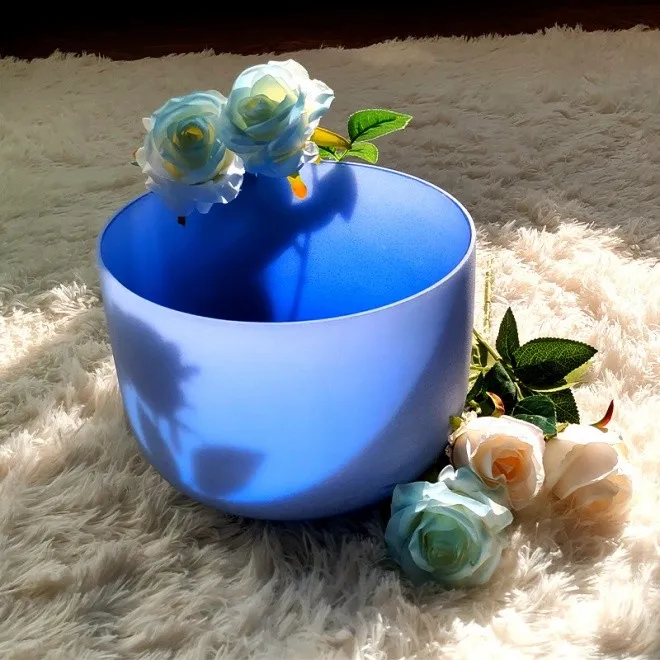
When holding the bowl, grip it firmly but not too tightly. If you hold it too tightly, you may restrict the bowl's vibration and prevent it from producing a full - bodied sound. For most bowls, it's best to hold the base with one hand and use the other hand to operate the mallet. This allows you to control the movement of the mallet while providing a stable base for the bowl to vibrate.
Striking the Bowl
Striking the bowl is one way to produce a loud, sharp sound. To do this effectively, hold the mallet at the end, like a hammer. Aim for the outer edge of the bowl, about one - third of the way up from the base. Use a quick, firm strike, rather than a slow, gentle tap. The key is to transfer as much energy as possible to the bowl in a short amount of time.
When striking the bowl, it's important to use the right amount of force. If you strike too lightly, the sound will be weak. But if you strike too hard, you may damage the bowl. Start with a moderate amount of force and adjust based on the sound you get. You can also experiment with striking different parts of the bowl to find the spot that produces the loudest and most resonant sound.
Rubbing the Bowl
Rubbing the bowl is another technique that can produce a loud, sustained sound. To rub the bowl, hold the mallet at a slight angle against the outer edge of the bowl. Apply gentle pressure and start moving the mallet in a circular motion around the edge of the bowl. The friction between the mallet and the bowl creates vibration, which generates the sound.
To make the sound louder when rubbing, increase the pressure slightly and the speed of your circular motion. However, be careful not to apply too much pressure, as this can cause the mallet to slip or scratch the bowl. It may take some practice to find the right balance between pressure and speed to produce a loud, clear sound.
Creating a Resonant Environment
The environment in which you play the quartz singing bowl can also affect the loudness and quality of the sound. A room with hard, reflective surfaces, such as a tile - floored bathroom or a small, empty room with plaster walls, can amplify the sound. This is because the sound waves bounce off the walls and create a more resonant effect.
On the other hand, a room with soft, absorbent materials, like a carpeted room with lots of curtains and upholstered furniture, can dampen the sound. If you want to play the bowl loudly, try to find a room with hard surfaces or use a resonating chamber. A resonating chamber is a small, enclosed space designed to enhance the sound of the bowl. You can make a simple resonating chamber using a cardboard box lined with reflective material.
Tuning the Bowl
Tuning the quartz singing bowl can help it produce a louder and more harmonious sound. Most quartz singing bowls are pre - tuned, but over time, they may go out of tune due to changes in temperature, humidity, or handling. To tune the bowl, you can use a tuning fork or a reference pitch.
First, strike the tuning fork or play the reference pitch. Then, listen to the sound of the bowl and compare it to the reference pitch. If the bowl is out of tune, you may need to adjust the way you play it or have it professionally tuned. A well - tuned bowl will vibrate more efficiently, which can result in a louder and more beautiful sound.
Maintenance and Care
Proper maintenance and care of your quartz singing bowl are essential for ensuring it continues to produce a loud sound. Keep the bowl clean by wiping it with a soft, dry cloth after each use. Avoid exposing the bowl to extreme temperatures or sudden changes in temperature, as this can cause the quartz to crack or expand, affecting the sound quality.
If the bowl gets dirty or has stubborn stains, you can use a mild soap and water solution to clean it. Rinse it thoroughly and dry it completely before storing it. Store the bowl in a safe place, preferably in a padded case or a soft cloth bag to protect it from scratches and damage.
Conclusion
Playing a quartz singing bowl loudly requires a combination of the right technique, the right equipment, and proper maintenance. By understanding the characteristics of the bowl, choosing the right mallet, using the correct holding and playing techniques, and creating a resonant environment, you can produce a loud, beautiful sound.
If you're interested in purchasing high - quality quartz singing bowls or have any questions about playing them, feel free to contact us. We're here to help you find the perfect bowl for your needs and provide you with all the information and support you need to get the most out of your instrument.
References
- Sound Healing: The Art of Using Sound to Restore Balance and Well - being. Author: Jonathan Goldman.
- The Book of Quartz: A Guide to Its History, Lore, and Healing Properties. Author: Robert Simmons.