

Hey there! As a supplier of Fused Silica Rollers, I've seen firsthand how important it is to keep these bad boys in tip - top shape. In this blog, I'll share some practical tips on how to maintain a Fused Silica Roller so that it can serve you well for a long time.

Understanding Fused Silica Rollers
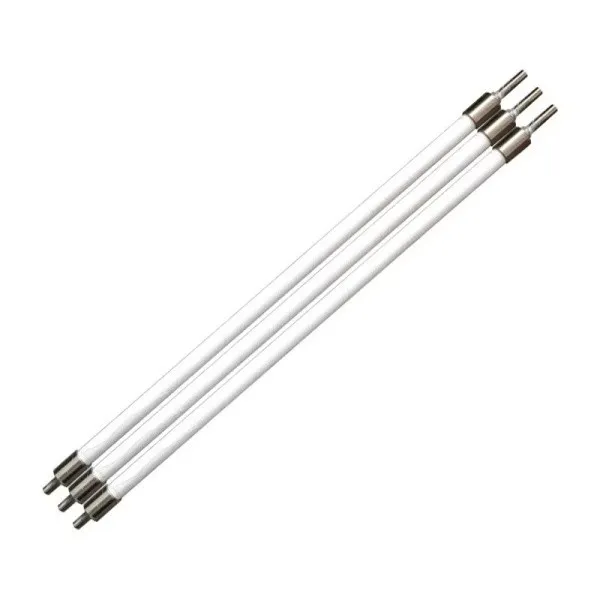
First off, let's quickly talk about what Fused Silica Rollers are. They're made from high - purity fused silica, which gives them some awesome properties like high thermal stability, low thermal expansion, and excellent chemical resistance. These rollers are widely used in various industries, such as glass manufacturing, semiconductor production, and heat - treating processes. You can check out more details about Fused Silica Roller on our website.
Storage
The way you store your Fused Silica Rollers matters a whole lot. When they're not in use, they should be stored in a clean, dry environment. Humidity can be a real enemy here, as it can cause surface contamination and potentially damage the roller over time. You want to keep the storage area at a relatively constant temperature, too. Extreme temperature fluctuations can lead to thermal stress, which might crack the roller.
It's also a good idea to store the rollers horizontally on a soft, non - abrasive surface. This helps prevent any unnecessary pressure points that could cause deformation. If you need to stack them, make sure there are proper spacers between each roller to avoid scratching or chipping.
Handling
When it comes to handling Fused Silica Rollers, you've got to be extra careful. These rollers are fragile, and even a small impact can cause a crack or chip. Always wear clean gloves when handling them to prevent fingerprints and other contaminants from getting on the surface. Fingerprints can leave behind oils that might react with the silica over time, leading to surface degradation.
Use proper lifting equipment, like a hoist or a forklift with soft pads, to move the rollers. Avoid dragging them across surfaces, as this can cause scratches. And when you're placing the roller in a machine, make sure it's aligned correctly. Misalignment can put uneven stress on the roller, leading to premature wear and tear.
Cleaning
Regular cleaning is key to maintaining Fused Silica Rollers. Over time, dirt, dust, and other debris can accumulate on the surface, which can affect the roller's performance. You can start by using a soft, clean brush to gently remove any loose particles. For more stubborn contaminants, you can use a mild cleaning solution. Just make sure it's compatible with fused silica.
After cleaning, rinse the roller thoroughly with deionized water to remove any remaining cleaning agents. Then, dry it completely using a clean, lint - free cloth. Avoid using abrasive materials or harsh chemicals, as these can damage the roller's surface. If you want to learn more about the cleaning process for Silica Quartz Roller, our website has some great resources.
Inspection
Frequent inspections are necessary to catch any potential issues early. Check the roller for cracks, chips, or any signs of wear on a regular basis. A small crack might seem insignificant at first, but it can quickly spread and lead to the roller's failure. You can use a magnifying glass to get a closer look at the surface.
Pay attention to the roller's surface finish as well. If it starts to become rough or uneven, it could affect the quality of the products it comes into contact with. Also, check the ends of the roller for any signs of damage, as these areas are often more vulnerable.
Temperature Management
Since Fused Silica Rollers are often used in high - temperature environments, proper temperature management is crucial. Sudden temperature changes can cause thermal shock, which can crack the roller. When heating or cooling the roller, do it gradually. Follow the manufacturer's recommended heating and cooling rates.
If you're using the roller in a continuous process, make sure the temperature is maintained within the specified range. Overheating can cause the roller to deform or lose its structural integrity. And on the flip side, if the temperature is too low, it might not perform as expected. You can find more information about temperature - related issues in Fused Silica Roller Tempering.
Lubrication
In some applications, proper lubrication can help reduce friction and wear on the Fused Silica Rollers. However, you need to be very careful about the type of lubricant you use. Make sure it's compatible with fused silica and won't leave behind any residues that could contaminate the roller or the products it processes.
Apply the lubricant evenly and in the right amount. Too much lubricant can attract dirt and debris, while too little won't provide enough protection. And remember to clean the roller regularly to remove any excess lubricant.
Training
If you have a team working with Fused Silica Rollers, proper training is essential. Make sure everyone knows how to handle, clean, and inspect the rollers correctly. Provide them with clear guidelines and safety instructions. A well - trained team can prevent a lot of potential problems and ensure the longevity of the rollers.
Contact for Purchase and Consultation
Maintaining Fused Silica Rollers is a combination of proper storage, careful handling, regular cleaning, and vigilant inspection. If you're in the market for high - quality Fused Silica Rollers or need more advice on their maintenance, don't hesitate to reach out. We're here to help you make the most of these amazing rollers and keep your operations running smoothly.
References
- General knowledge from the field of ceramic roller manufacturing and maintenance.
- Industry best practices shared by professionals in glass manufacturing, semiconductor, and heat - treating industries.