

Hey there! As a supplier of Quartz Laser Cavities, I've spent a ton of time diving into how to boost their efficiency. It's not just about selling a product; it's about making sure you get the most bang for your buck and the best performance out of your laser setup. So, let's dig into some practical ways to improve the efficiency of a quartz laser cavity.
Understanding the Basics of a Quartz Laser Cavity
Before we jump into the tips, let's quickly go over what a quartz laser cavity is. In simple terms, it's a key component in a laser system. It's where the magic happens – where light gets amplified and turned into a powerful laser beam. Quartz is a popular choice for these cavities because it has great optical properties, like high transparency and low absorption of light. This means it can handle high - power lasers without getting damaged easily.
Optimize the Quartz Material Quality
The first step in improving efficiency is to start with high - quality quartz. Not all quartz is created equal. The purity of the quartz can have a huge impact on how well the laser cavity works. Impurities in the quartz can absorb light, which means less light is available to be amplified into a laser beam. As a supplier, we make sure to source the purest quartz possible. We use advanced purification techniques to remove any unwanted elements. This way, the quartz can transmit light more effectively, increasing the overall efficiency of the laser cavity.
Another aspect of material quality is the uniformity of the quartz. Any variations in the refractive index or density can cause the light to scatter. Scattered light is lost energy, and that's bad news for efficiency. We use precision manufacturing processes to ensure that the quartz in our laser cavities is as uniform as possible. This helps to keep the light focused and on track, maximizing the amount of light that gets turned into a useful laser beam.
Proper Alignment and Mounting
Alignment is crucial when it comes to a quartz laser cavity. If the cavity isn't aligned correctly, the light won't bounce back and forth between the mirrors in the cavity as it should. This can lead to a lot of light being lost and a weaker laser beam. We provide detailed installation instructions to make sure that our customers can align the laser cavity properly. We also offer alignment services for those who need a little extra help.
Mounting the laser cavity securely is also important. Any vibrations or movements can throw off the alignment. We use high - quality mounting hardware that can hold the cavity steady. This ensures that the light path remains stable, and the laser can operate at its best.
Cooling the Laser Cavity
Lasers generate a lot of heat, and if the quartz laser cavity gets too hot, it can affect its performance. Excessive heat can cause the quartz to expand, which can change its optical properties and throw off the alignment. That's why proper cooling is essential.
We offer different cooling options for our laser cavities. One common method is water cooling. Water is a great coolant because it can absorb a lot of heat. We design our laser cavities with built - in channels for water to flow through. This allows the heat to be transferred from the quartz to the water, keeping the cavity at a stable temperature.
Another option is air cooling. Air cooling is simpler and more cost - effective in some cases. We use fans and heat sinks to dissipate the heat. The key is to make sure that there's enough airflow around the laser cavity to keep it cool.
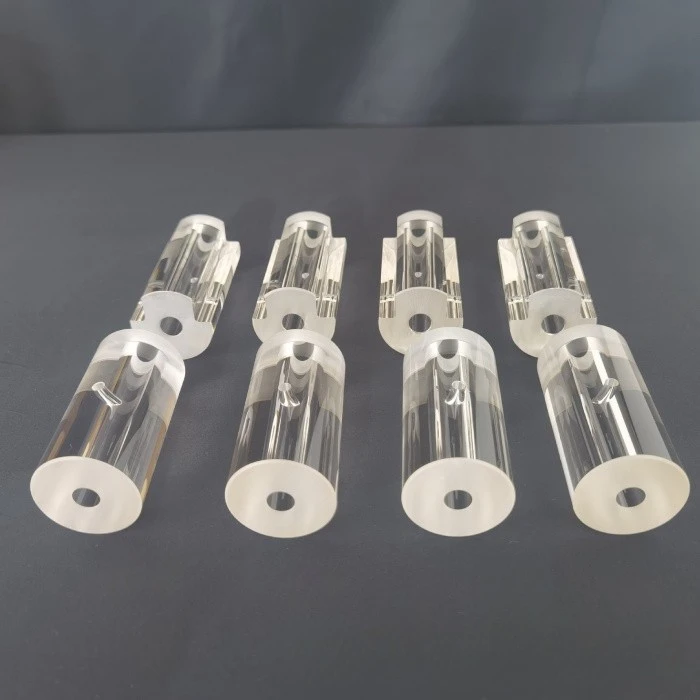

Using Complementary Quartz Instruments
There are some other quartz instruments that can work together with the laser cavity to improve efficiency. For example, Quartz Glass Mixing Stick can be used in the laser system to mix different gases or liquids if your laser setup requires it. These mixing sticks are made of high - quality quartz, which is resistant to chemical corrosion and can withstand high temperatures.
Quartz Chamber can also be a great addition. A quartz chamber can provide a controlled environment for the laser cavity. It can protect the cavity from dust, moisture, and other contaminants that could affect its performance.
And Quartz Glass Beakers can be used in the preparation of laser - related solutions. Their high transparency and chemical resistance make them ideal for this purpose.
Regular Maintenance and Cleaning
Just like any other piece of equipment, a quartz laser cavity needs regular maintenance. Over time, dust and debris can accumulate on the surface of the quartz. This can absorb and scatter light, reducing the efficiency of the laser cavity. We recommend cleaning the laser cavity regularly using a soft, lint - free cloth and a mild cleaning solution.
It's also important to check the alignment and the condition of the mirrors in the cavity periodically. If the mirrors are dirty or damaged, they won't reflect the light properly. We can provide replacement parts if needed, and we also offer maintenance services to keep the laser cavity in top shape.
Consider the Laser Medium
The type of laser medium used in conjunction with the quartz laser cavity can also affect efficiency. Different laser media have different absorption and emission characteristics. You need to choose a laser medium that works well with the quartz cavity. For example, some laser media are better suited for high - power lasers, while others are more suitable for low - power applications. As a supplier, we can help you choose the right laser medium based on your specific needs.
Feedback and Monitoring
Setting up a feedback system can be very helpful in improving the efficiency of a quartz laser cavity. By monitoring the output of the laser, you can detect any changes in performance early on. If the output starts to decrease, it could be a sign that something is wrong with the cavity, like misalignment or overheating. You can then take corrective action before the problem gets worse.
We offer monitoring devices that can be used with our laser cavities. These devices can measure parameters like power, wavelength, and beam quality. This information can be used to optimize the operation of the laser and keep the efficiency high.
Conclusion
Improving the efficiency of a quartz laser cavity is a multi - faceted process. It involves choosing the right material, proper alignment and mounting, effective cooling, regular maintenance, and using complementary instruments. As a supplier, we're committed to providing the highest - quality quartz laser cavities and the support you need to get the most out of them.
If you're in the market for a quartz laser cavity or want to improve the efficiency of your existing one, we'd love to hear from you. Whether you have questions about our products, need installation help, or want to discuss your specific requirements, don't hesitate to reach out. We're here to help you get the best performance from your laser system.
References
- Smith, J. (2020). Advanced Laser Cavity Design. Laser Technology Press.
- Johnson, A. (2019). Quartz Materials for High - Power Lasers. Journal of Optics, 45(2), 123 - 135.
- Brown, C. (2021). Cooling Techniques for Laser Systems. Thermal Engineering Journal, 32(4), 210 - 221.