

Hey there! As a supplier of quartz parts, I get this question a lot: "How do I choose the right quartz parts for my device?" It's a crucial question because picking the wrong parts can lead to all sorts of headaches, like poor performance, short lifespan, or even damage to your device. So, I'm here to break it down for you and help you make the best choice.
Understand Your Device's Requirements
First things first, you need to have a clear understanding of what your device needs. What's the purpose of your device? Is it for scientific research, industrial manufacturing, or maybe something else? Different applications have different demands on quartz parts.
For example, if you're working on a high - temperature experiment, you'll need quartz parts that can withstand extreme heat. Quartz Infrared Heating Tube is a great option in this case. It's designed to generate and transfer heat efficiently, and it can handle high temperatures without losing its integrity.
On the other hand, if you're dealing with chemical reactions, you'll want quartz parts that are chemically resistant. Quartz is known for its excellent chemical stability, but some applications may require even higher levels of resistance. In such cases, you need to look for parts made from high - purity quartz.
Consider the Purity of Quartz
The purity of quartz is a big deal. Higher purity quartz generally means better performance and fewer impurities that could interfere with your device's operation.
For precision applications like semiconductor manufacturing, you'll need ultra - high - purity quartz parts. These parts are made from quartz with extremely low levels of impurities, which ensures that they won't contaminate the manufacturing process.
For less demanding applications, like some household or general industrial uses, lower - purity quartz parts might be sufficient. They're usually more affordable, and they can still get the job done.
Evaluate the Shape and Size
The shape and size of the quartz parts are also important factors. You need to make sure that the parts fit perfectly into your device.
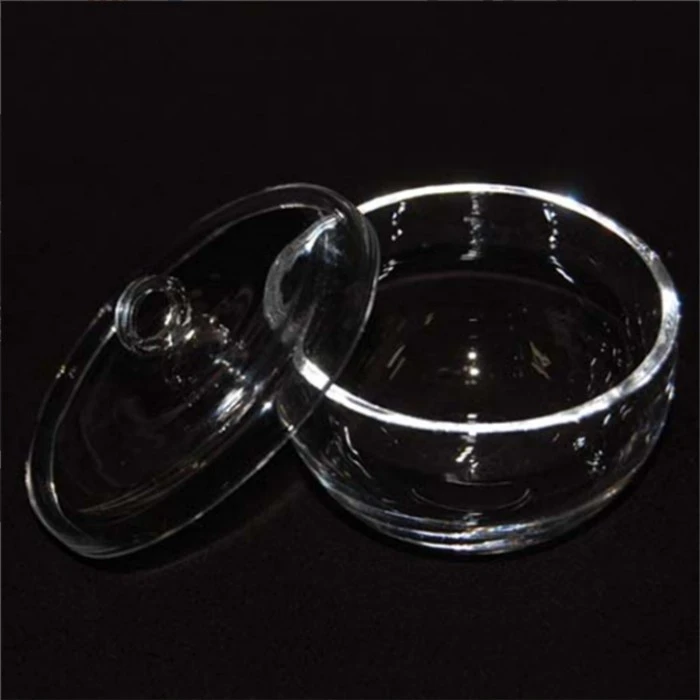
Measure the space where the quartz part will be installed accurately. Consider the dimensions, the tolerance levels, and any special requirements for the shape. For instance, if you need a Quartz Crucible, you'll have to decide on the right diameter, height, and wall thickness based on your specific needs.
If you're not sure about the exact shape and size, don't hesitate to consult with us. We have a team of experts who can help you determine the best fit for your device.
Look at the Surface Finish
The surface finish of quartz parts can affect their performance. A smooth surface finish is often preferred, especially in applications where there's a need for low friction or high optical clarity.
For optical devices, a high - quality surface finish is crucial to ensure clear and accurate results. Any scratches or irregularities on the surface can distort the light and affect the performance of the device.
In other applications, like fluid handling, a smooth surface can prevent the build - up of debris and ensure a more efficient flow.
Check the Thermal Properties
Quartz has unique thermal properties, but different quartz parts may have different thermal characteristics. You need to consider factors like thermal expansion coefficient, thermal conductivity, and heat resistance.
If your device will be exposed to rapid temperature changes, you'll want quartz parts with a low thermal expansion coefficient. This helps prevent cracking or breaking due to thermal stress.
High thermal conductivity can be beneficial in applications where heat needs to be dissipated quickly. On the other hand, if you need to insulate heat, you'll look for parts with lower thermal conductivity.

Think About the Cost
Of course, cost is always a factor. You want to get the best value for your money. But remember, the cheapest option isn't always the best.
When comparing prices, make sure you're comparing apples to apples. Consider the quality, purity, and performance of the quartz parts. Sometimes, spending a little more upfront can save you a lot of money in the long run by avoiding frequent replacements or repairs.
Compatibility with Other Materials
Your quartz parts will likely interact with other materials in your device. You need to ensure that they're compatible with these materials.
For example, if your device has metal components, you need to make sure that the quartz parts won't react with the metal. Incompatible materials can lead to corrosion, degradation, or other problems that can affect the performance and lifespan of your device.
Durability and Longevity
You want your quartz parts to last. Look for parts that are made from high - quality materials and have been manufactured using advanced processes.
For example, Milky Quartz Crucible is known for its durability. It can withstand repeated use and harsh conditions, making it a great choice for applications where long - term performance is essential.
Supplier Reputation
Last but not least, the reputation of the supplier matters. You want to work with a supplier who has a proven track record of providing high - quality quartz parts.
Check online reviews, ask for references, and look at the supplier's experience in the industry. A reliable supplier will offer good customer service, technical support, and after - sales service.
As a quartz parts supplier, we're committed to providing you with the best products and services. We have a wide range of quartz parts to meet your different needs, and our team of experts is always ready to help you choose the right parts for your device.
If you're interested in purchasing quartz parts or have any questions, feel free to reach out to us. We'd be more than happy to have a detailed discussion with you and guide you through the procurement process.
References
- General knowledge about quartz materials and their applications in various industries.
- Technical specifications and research on different types of quartz parts.