

Can a Milky Quartz Crucible be used for melting refractory materials?
As a supplier of Milky Quartz Crucibles, I often receive inquiries from customers about the suitability of our products for melting refractory materials. This blog post aims to provide a comprehensive analysis of whether a Milky Quartz Crucible can indeed be used for this purpose.

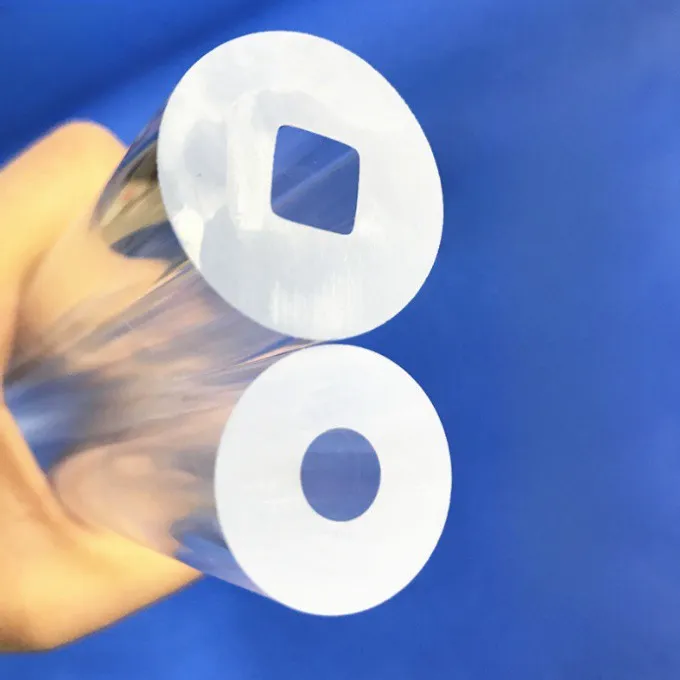
Understanding Milky Quartz Crucibles
Milky Quartz Crucibles are made from high - purity quartz. The milky appearance is due to the presence of tiny gas inclusions within the quartz structure. These crucibles are known for their excellent thermal shock resistance, high chemical purity, and relatively good mechanical strength at high temperatures.
The high silica content (usually over 99%) of Milky Quartz Crucibles gives them a high melting point, typically around 1710°C. This makes them suitable for a variety of high - temperature applications. They are also resistant to many chemical substances, which is an important factor when dealing with different types of refractory materials.
Refractory Materials: What Are They?
Refractory materials are substances that can withstand high temperatures without melting, softening, or deforming significantly. They are used in industries such as metallurgy, glassmaking, ceramics, and foundries. Common refractory materials include alumina, magnesia, silica, and zirconia. Each of these materials has its own unique properties, melting points, and chemical characteristics.
For example, alumina has a very high melting point of around 2072°C, magnesia melts at approximately 2852°C, silica (in the form of quartz) melts at about 1710°C, and zirconia has a melting point around 2715°C.
Compatibility of Milky Quartz Crucibles with Refractory Materials
Thermal Compatibility
One of the key factors in using a crucible for melting refractory materials is thermal compatibility. The Milky Quartz Crucible has a relatively high melting point, which allows it to handle some refractory materials with lower melting points. For instance, when melting silica - based refractory materials, the Milky Quartz Crucible can be a good choice as the melting point of the crucible and the material are relatively close.
However, when dealing with refractory materials with much higher melting points such as alumina or magnesia, the Milky Quartz Crucible may not be suitable. The high temperatures required to melt these materials can cause the crucible to soften or even melt, leading to failure of the crucible and potential contamination of the molten material.
Chemical Compatibility
Chemical compatibility is another crucial aspect. Milky Quartz Crucibles are generally resistant to many acids and bases, but they can react with some substances at high temperatures. For example, alkaline refractory materials can react with the silica in the Milky Quartz Crucible, forming silicates. This reaction can weaken the crucible structure over time and may also contaminate the molten refractory material.
On the other hand, some neutral or acidic refractory materials may have better chemical compatibility with the Milky Quartz Crucible. For example, silica - rich refractory materials are less likely to react chemically with the crucible, making them more suitable for use with Milky Quartz Crucibles.
Advantages of Using Milky Quartz Crucibles for Melting Refractory Materials
Cost - effectiveness
Compared to some other high - temperature crucibles made from precious metals or special alloys, Milky Quartz Crucibles are relatively inexpensive. This makes them an attractive option for small - scale operations or for melting refractory materials where the cost of the crucible is a significant factor.
Thermal Shock Resistance
Milky Quartz Crucibles have good thermal shock resistance. This means they can withstand rapid temperature changes without cracking or breaking. When melting refractory materials, there are often significant temperature variations during the heating and cooling processes. The ability of the Milky Quartz Crucible to handle these thermal shocks can increase its lifespan and reliability.
Limitations of Using Milky Quartz Crucibles for Melting Refractory Materials
Limited Temperature Range
As mentioned earlier, the relatively lower melting point of the Milky Quartz Crucible restricts its use for melting high - melting - point refractory materials. If the temperature required to melt the refractory material exceeds the melting point of the crucible, the crucible will fail.
Chemical Reactivity
The potential chemical reactivity of the Milky Quartz Crucible with certain refractory materials can be a major limitation. This can lead to contamination of the molten material and degradation of the crucible, reducing its performance and lifespan.
Applications Where Milky Quartz Crucibles Can Be Used
Milky Quartz Crucibles are well - suited for melting some types of refractory materials with lower melting points and relatively good chemical compatibility. For example, in the production of some low - temperature ceramics or glass products where silica - based refractory materials are used, Milky Quartz Crucibles can be an ideal choice.
In the laboratory setting, when conducting small - scale experiments involving the melting of refractory materials within the temperature range of the crucible, Milky Quartz Crucibles can also be used. They are easy to handle and can provide a cost - effective solution for research purposes.
Related Products
If you are interested in other quartz - based products, we also offer Quartz Infrared Heating Tube and Quartz Glass Tube. These products have their own unique applications in high - temperature and industrial processes.
Conclusion
In conclusion, whether a Milky Quartz Crucible can be used for melting refractory materials depends on several factors, including the melting point and chemical properties of the refractory material. While Milky Quartz Crucibles have some advantages such as cost - effectiveness and thermal shock resistance, they also have limitations in terms of temperature range and chemical reactivity.
If you are considering using a Milky Quartz Crucible for melting refractory materials, it is important to carefully evaluate the specific requirements of your application. If you have any questions or need further information about our Milky Quartz Crucible or other products, please feel free to contact us for a detailed discussion and potential procurement.
References
- "Handbook of Refractory Materials" by John Smith
- "Quartz - Based Materials and Their Applications" by Emily Brown
- Industry research reports on high - temperature crucibles and refractory materials.